Our farm began out of a passion for growing apples & a love of horticulture.
For more than 40 years & 3 generations, our family has been committed to growing quality fruit that is safe & sustainable for our family and others to enjoy.
Northern Illinois is known for being a great region for growing fruit because of rich soils, cool nights and warm, humid days, but these factors also make it challenging for growers to keep insects and diseases out of our fruit. We do everything possible to reduce sprays on our farm, but find them necessary to grow healthy trees and insect free fruit.
While we are not an “organic” farm, we pride ourselves on using best practices in farm management to reduce sprays and limit impact on the environment.
Integrated Pest Management - IPM
Since our beginning, our family has operated our farm using IPM which is a multi-faceted approach to pest control that is sustainable and minimizes risks to guests, property, and the environment.
We closely monitor weather conditions, pest and disease populations or presence, and use the information gathered to ensure that we only spray when necessary, and that those sprays will be effective and targeted.
We also practice insect mating disruption which uses pheromones to confuse insects during peak breeding windows so they are unable to find a mate and reproduce. This practice reduces populations of insects in a strategic way that does not harm beneficial insects, like bees.
Sustainable Practices
Constant monitoring of diseases & pests
Mating disruption of specific pest insect species
Rigorous sanitation practices
Encouraging natural predators & pollinators
Using targeted sprays for disease & insects while following current guidelines & safety regulations
Growing disease resistant varieties of apples & pumpkins
Practicing crop rotation & utilizing cover crops
Drip irrigation
Jonamac through the Seasons
While we are known for Fall harvest, farming happens in every season
Spring
We start planting new apple trees in the beginning of spring, typically in April.
Usually, our trees bloom in early May. The apple blossoms are beautiful! They fill our orchards with a light floral scent and a showy white bloom, but this is also when the orchard is most fragile. A frost during bloom can kill the blossoms, which means there will be no fruit! We do our best to protect this from happening by watching the weather closely and if necessary, we will burn fires and run our frost fans to protect blossoms from the cold.
We bring in hives of honeybees the week before we anticipate trees to bloom so they are ready to help us ensure our apple blossoms are pollinated.
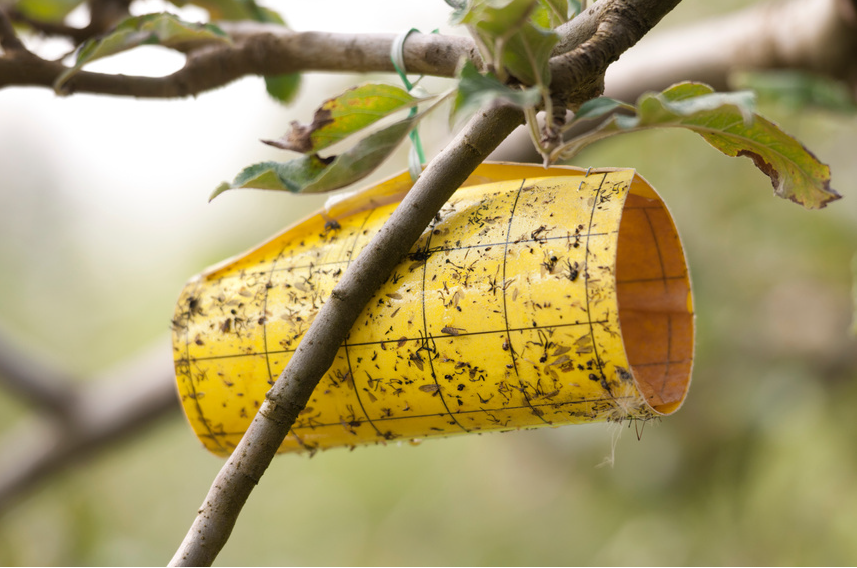
Spring time is also when we are most diligent protecting our trees from disease and insect pressures. We hang insect monitoring traps to monitor insect populations, and scout frequently for signs of disease or pests in the trees. When needed, we spray or use other techniques like mating disruption to help protect our fruit.
Once bloom is over, if we had good pollination, our fruitlets begin to grow!
We work in the orchard to mow, train our trees (pull branches down so they will create more fruiting buds), and ensure they have adequate moisture through our irrigation system.
This is also the time that we start most of our projects for the year. Our family works hard to keep our farm clean, safe, and add new things to surprise guests once fall comes back around.
Wine and Hard Cider is made during spring so it has plenty of time to ferment and finish before it is bottled, canned, or kegged in early summer.
Typically, by the end of April or May, we have our annual corn maze designed and ready to go so we can plant our field at the end of May!
Summer
Summer is a very busy time of year at the farm!
We are actively irrigating our apple trees and mowing the orchard.
We plant our pumpkins the first week of June, and flowers soon after.
Once the Corn is about 6 inches tall, we cut pathways in the shape of our annual design.
Our family is busy planning out events for the fall season, and making the grounds look nice working on landscaping and painting or staining buildings and fences.
All of our gift items and merch comes in over the summer, and our crew works hard to clean the cider house and get everything set up for opening day.
As the farm is nearing season, we often have community events hosted in the summer with local organizations like the Farm Bureau’s Bi-annual Farm Safety Camp, or the Summer Horticulture Field Day.
Our wine is bottled and hard cider is canned in summer to be ready for our opening day.
Our Cider Pressing equipment is deep cleaned and serviced to ensure everything is in top working order before harvest.
We start hiring our new staff for the fall season at the end of summer and first part of August so we can have enough time to get everyone trained and ready to welcome guests to our farm!
Fall
Fall is the harvest season, and what we are most known for!
We test the donut machine in early August to make sure it is ready to go! This is also the time we get all of our ingredients for all of your favorite fall treats delivered to the farm!
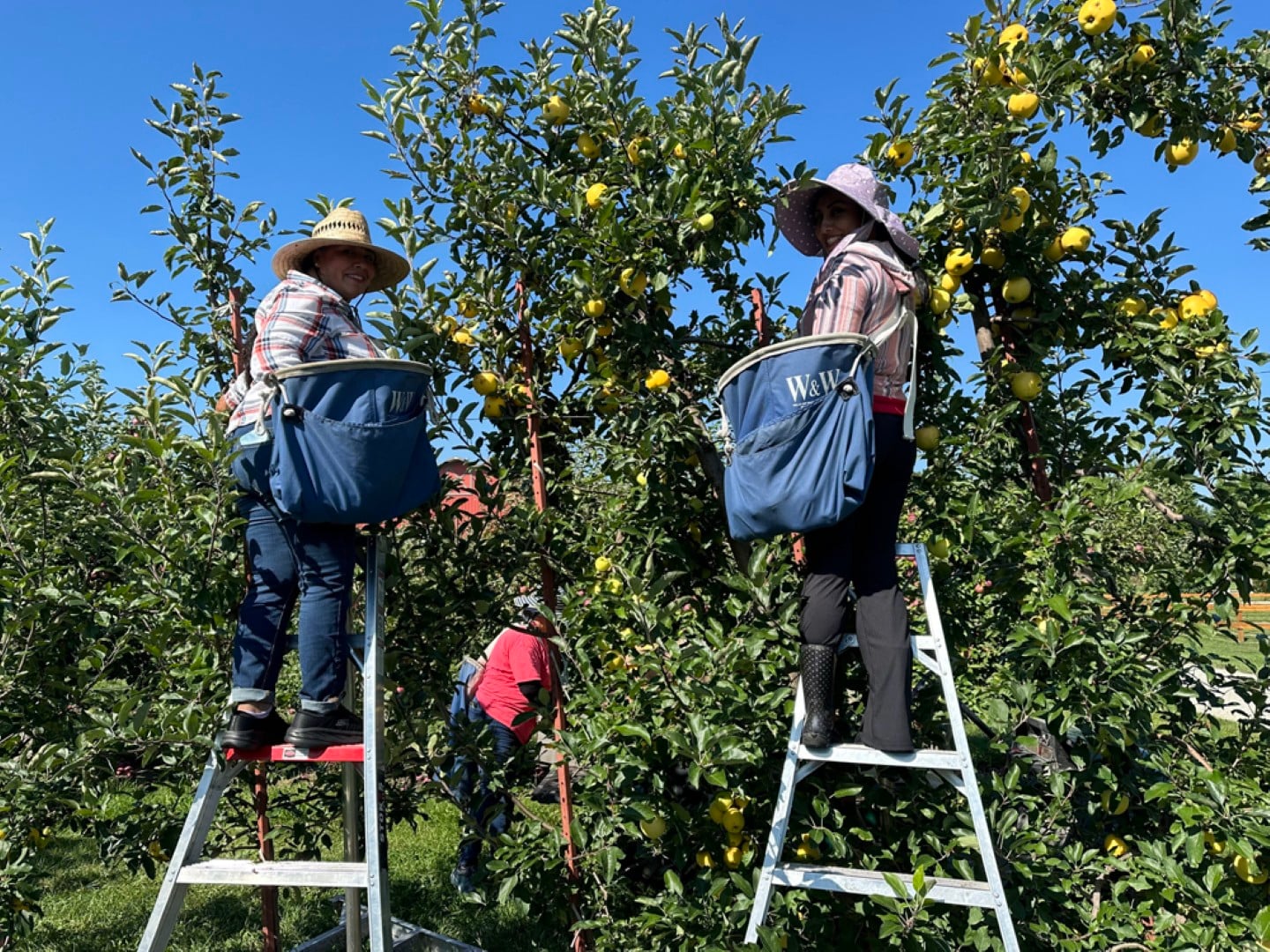
Our first apples are ready for picking in Early August, and we open up apple picking usually around Labor Day Weekend when we have our Grand Opening. With over 40 different varieties, we have different apples ripening throughout our growing season. Check the apple varieties page for more info.
Flowers start blooming in August, and we stagger the plantings so more guests can experience the beauty of the flower fields. First we have sunflowers and cosmos, then zinnias and other cut flowers start blooming in September. We typically have flowers until October or whenever we get the first frost.
Our first apple cider of the year is pressed the first week of September. We have to ensure that we have the right blend of sweet and tart apples to make the cider taste just right, but we always make sure to have plenty of frozen apple cider so we can have Apple Cider Donuts and Apple Cider Slushies available when we open.
In Mid September, we open our Pumpkin Patch. It will be open until the end of October. (The official dates will be posted as we get closer to harvest)
In November, we combine the corn with help from our cousins, clean up the orchard, disc in the pumpkins and flowers, and get the orchard ready to close. The farm closes the day before Thanksgiving each year so our family can spend the time together, grateful for another harvest.
Winter
Winter is a time of rest for the farm, but we are not just sitting around! While we do take time to relax in December... we have to get back at it come January!
Once the trees are fully dormant, we prune the trees. Pruning helps to control the size of our trees, reduce crop load, and help improve the health of our trees. It will take our crew several months to prune every tree on the farm, and we are typically not done until the beginning of March.
Winter is a time for learning and planning! We take time to meet as a family to brainstorm new ideas and make improvements to the farm, but we also take time to go to conferences, attend classes, and LEARN. We learn about new ways to farm, operate our business, and make things better!
At the end of harvest, we donate products to local food banks, and freeze bulk cider to thaw out and ferment throughout the spring and summer for our wine and hard cider.
Spring
We start planting new apple trees in the beginning of spring, typically in April.
Usually, our trees bloom in early May. The apple blossoms are beautiful! They fill our orchards with a light floral scent and a showy white bloom, but this is also when the orchard is most fragile. A frost during bloom can kill the blossoms, which means there will be no fruit! We do our best to protect this from happening by watching the weather closely and if necessary, we will burn fires and run our frost fans to protect blossoms from the cold.
We bring in hives of honeybees the week before we anticipate trees to bloom so they are ready to help us ensure our apple blossoms are pollinated.
Spring time is also when we are most diligent protecting our trees from disease and insect pressures. We hang insect monitoring traps to monitor insect populations, and scout frequently for signs of disease or pests in the trees. When needed, we spray or use other techniques like mating disruption to help protect our fruit.
Once bloom is over, if we had good pollination, our fruitlets begin to grow!
We work in the orchard to mow, train our trees (pull branches down so they will create more fruiting buds), and ensure they have adequate moisture through our irrigation system.
This is also the time that we start most of our projects for the year. Our family works hard to keep our farm clean, safe, and add new things to surprise guests once fall comes back around.
Wine and Hard Cider is made during spring so it has plenty of time to ferment and finish before it is bottled, canned, or kegged in early summer.
Typically, by the end of April or May, we have our annual corn maze designed and ready to go so we can plant our field at the end of May!
Summer
Summer is a very busy time of year at the farm!
We are actively irrigating our apple trees and mowing the orchard.
We plant our pumpkins the first week of June, and flowers soon after.
Once the Corn is about 6 inches tall, we cut pathways in the shape of our annual design.
Our family is busy planning out events for the fall season, and making the grounds look nice working on landscaping and painting or staining buildings and fences.
All of our gift items and merch comes in over the summer, and our crew works hard to clean the cider house and get everything set up for opening day.
As the farm is nearing season, we often have community events hosted in the summer with local organizations like the Farm Bureau’s Bi-annual Farm Safety Camp, or the Summer Horticulture Field Day.
Our wine is bottled and hard cider is canned in summer to be ready for our opening day.
Our Cider Pressing equipment is deep cleaned and serviced to ensure everything is in top working order before harvest.
We start hiring our new staff for the fall season at the end of summer and first part of August so we can have enough time to get everyone trained and ready to welcome guests to our farm!
Fall
Fall is the harvest season, and what we are most known for!
We test the donut machine in early August to make sure it is ready to go! This is also the time we get all of our ingredients for all of your favorite fall treats delivered to the farm!
Our first apples are ready for picking in Early August, and we open up apple picking usually around Labor Day Weekend when we have our Grand Opening. With over 40 different varieties, we have different apples ripening throughout our growing season. Check the apple varieties page for more info.
Flowers start blooming in August, and we stagger the plantings so more guests can experience the beauty of the flower fields. First we have sunflowers and cosmos, then zinnias and other cut flowers start blooming in September. We typically have flowers until October or whenever we get the first frost.
Our first apple cider of the year is pressed the first week of September. We have to ensure that we have the right blend of sweet and tart apples to make the cider taste just right, but we always make sure to have plenty of frozen apple cider so we can have Apple Cider Donuts and Apple Cider Slushies available when we open.
In Mid September, we open our Pumpkin Patch. It will be open until the end of October. (The official dates will be posted as we get closer to harvest)
In November, we combine the corn with help from our cousins, clean up the orchard, disc in the pumpkins and flowers, and get the orchard ready to close. The farm closes the day before Thanksgiving each year so our family can spend the time together, grateful for another harvest.
Winter
Winter is a time of rest for the farm, but we are not just sitting around! While we do take time to relax in December... we have to get back at it come January!
Once the trees are fully dormant, we prune the trees. Pruning helps to control the size of our trees, reduce crop load, and help improve the health of our trees. It will take our crew several months to prune every tree on the farm, and we are typically not done until the beginning of March.
Winter is a time for learning and planning! We take time to meet as a family to brainstorm new ideas and make improvements to the farm, but we also take time to go to conferences, attend classes, and LEARN. We learn about new ways to farm, operate our business, and make things better!
At the end of harvest, we donate products to local food banks, and freeze bulk cider to thaw out and ferment throughout the spring and summer for our wine and hard cider.